Published on
March 13, 2025
by
Kate Santoro, BS.
Revised on
July 15, 2026
A curriculum vitae (CV) and a cover letter are both important parts of the job application process. Knowing the difference between a CV and a cover letter—and how to craft each document well—can help you stand out against other candidates.
A CV is a summary of your work history, skills, and education. However, the word “CV” means different things depending on location:
In some regions, like Europe, a CV is what Americans call a resume—a condensed summary of your qualifications customized for a specific job application.
In other countries, like the United States, a CV is a much longer summary of your qualifications that gets updated over time, often for use in academic, research, and medical fields.
A cover letter is a business letter that complements your CV or resume, showing why you’re the best candidate for the job. According to some reports, more than 70% of recruiters expect cover letters to be customized for the specific role, even when they are listed as “optional” on the job opening.
TipIf you’re the one creating a job posting, be sure to specify whether you want a CV or resume so that you’re sure to get the information you need. Use Quillbot’s free AI job posting generator to create clear job listings.
Key takeaways
A CV and a cover letter serve different but complementary roles in a job application.
CV provides a structured overview of your education, skills, and professional history, while a cover letter is a tailored, one-page document that explains your motivation and highlights why you’re a strong fit for a specific role.
Together, they show both what you’ve accomplished and how your experience connects to the employer’s needs, helping you present a clearer and more compelling application.
Published on
March 9, 2025
by
Kate Santoro, BS.
Revised on
July 16, 2026
The terms resume and CV are sometimes used interchangeably but are technically not the same.
A resume is used for most job applications. It highlights your relevant work experience, skills, and education and typically spans 1–2 pages. A CV is a longer, more detailed document commonly used when applying for academic and research positions.
In some regions—like Europe—the term CV is used to refer to what in American English is called a resume.
Published on
March 9, 2025
by
Kate Santoro, BS.
Revised on
November 18, 2025
You do not need to include references on a resume, unless they are specifically requested that way. You also do not need to include the line “references available upon request.”
Instead of taking up space on your resume with references, prepare a separate reference page that you can send to recruiters later on in the interview process, when they request it.
TipIf you’re creating a job posting, you can help candidates by specifying at what stage of the process you’ll request references. Quillbot’s free AI job posting generator can help you quickly write clear job listings.
Published on
March 5, 2025
by
Kate Santoro, BS.
Revised on
January 15, 2026
Some languages, like German, Finnish, or Turkish, are famous for their longwords. English isn’t usually one of them, but that doesn’t mean it doesn’t have long words worth learning.
Have you ever known someone with hippopotomonstrosesquipedaliophobia? Do you know the more common way to say laryngotracheobronchitis? Or maybe you use subcompartmentalization when organizing your closets?
This article contains a list of long words—including the longest word in English—what they mean, and how to use them.
Published on
February 28, 2025
by
Kate Santoro, BS.
Revised on
July 13, 2026
A resume is a summary of your professional qualifications that you send when applying for a job. It’s the first document a recruiter or hiring manager will review, and they’ll usually only spend a few minutes doing so.
Therefore, if you want to get noticed by employers, you have to know howto make a resume that is relevant, concise, and professional. These are some best practices you can follow to do this, outlined in ten tips.
Published on
February 27, 2025
by
Kate Santoro, BS.
Revised on
June 10, 2026
A resume is a formal document that summarizes your work experience, education history, and skills. Resume format refers to how this information is structured and displayed in your resume.
Resume format is important because it directly impacts how hiring managers or recruiters interpret your qualifications. This goes for both the structure of your resume’s contents and the design you use for the document.
There are different resume formats to choose from: chronological, functional, and combination. The best format for you depends on how much work experience you have, the industry and job you’re applying to, and what you want to highlight about your profile.
Check out Quillbot’s range of editable resume templates to help you organize your skills, experience and education in a clear and recruiter-friendly format.
Published on
February 25, 2025
by
Kate Santoro, BS.
Revised on
January 15, 2026
The English language is full of weird words. Maybe you had to “absquatulate” from a meeting, or you’ve been to a “hootenanny.” You may have experienced a “kerfuffle” at a family meal, or you might know someone suffering from “kakorrhaphiophobia.”
This article contains a list of weird words, what they mean, and examples of how to use them.
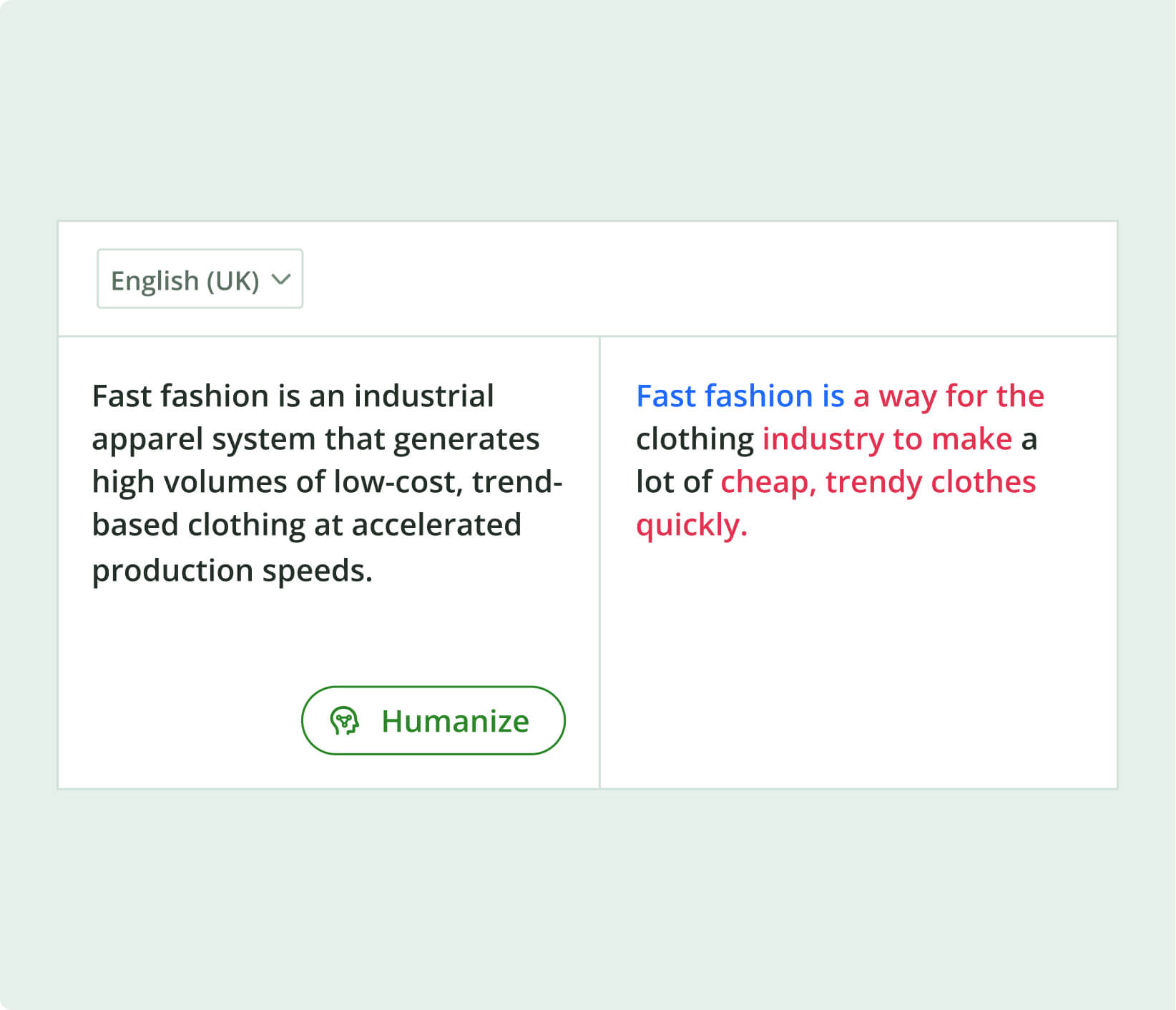
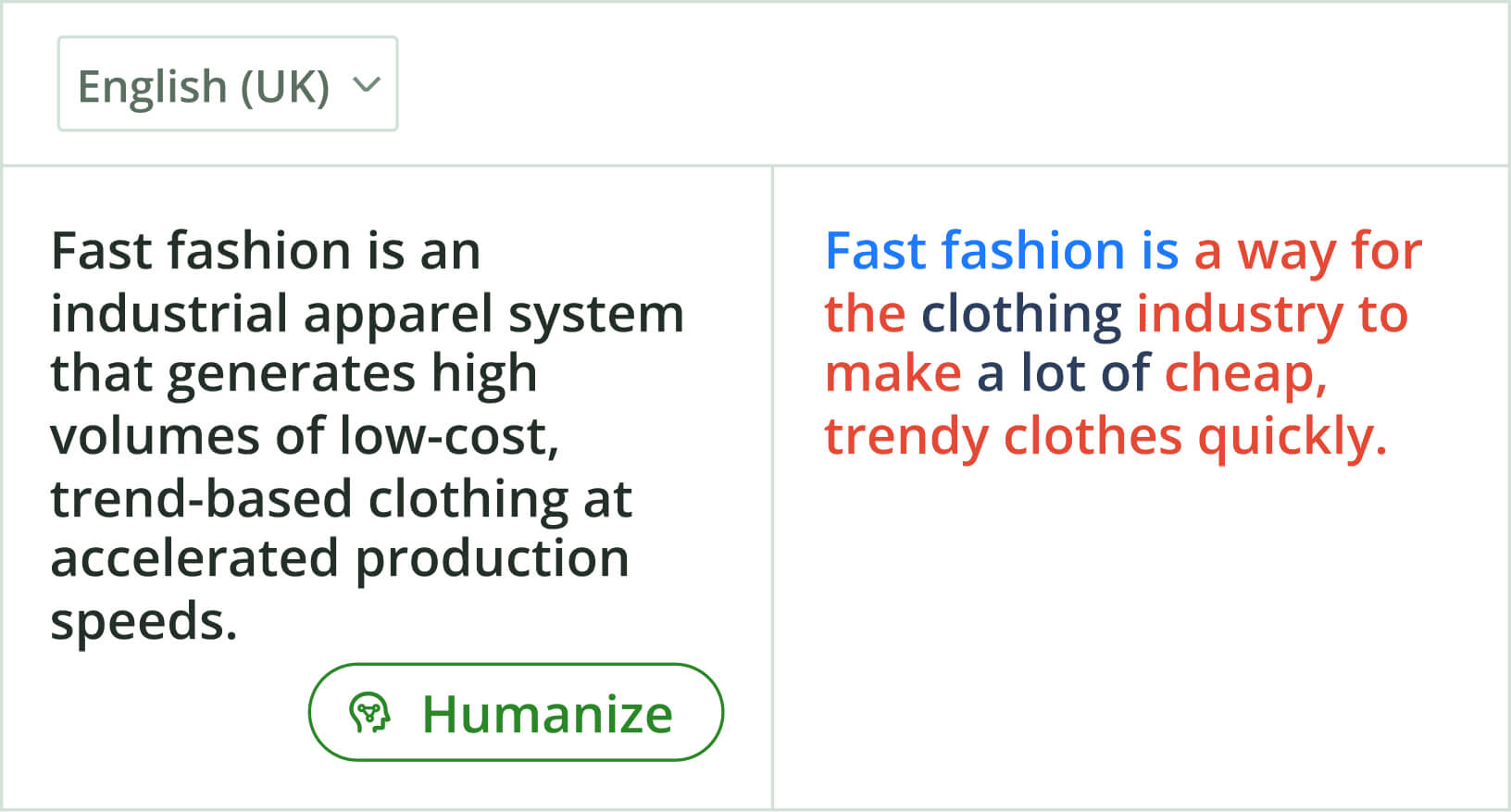
Quillbot’s free AI Humanizer helps you create engaging, natural-sounding copy. It smooths awkward phrasing and removes common AI giveaways, so every draft sounds more like you. After all, natural writing is in.
Quillbot’s free AI Humanizer helps you create engaging, natural-sounding copy. It smooths awkward phrasing and removes common AI giveaways, so every draft sounds more like you. After all, natural writing is in.