Published on
April 23, 2025
by
Kate Santoro, BS.
Revised on
October 28, 2025
ChatGPT is an AI-powered chatbot that is capable of generating human-like content. It assists with various tasks, like brainstorming, writing, answering questions, editing, and more.
AI language models like ChatGPT are revolutionizing how people interact with technology, making it easier to access information, automate tasks, and enhance creativity. ChatGPT’s many use cases—along with how human its responses can sound—highlight its growing influence.
What is ChatGPT examplePrompt: Hi ChatGPT! Tell me what you are in one sentence.
Response: Hi Kate! I’m an AI-powered assistant designed to help with writing, research, brainstorming, and problem-solving across a wide range of topics.
NoteChatGPT is perhaps the most well-known AI chatbot, but there are many ChatGPT alternatives. One of these is Quillbot’s AI Chat, which can act as your conversational partner to brainstorm, generate content, and learn about topics.
Published on
April 22, 2025
by
Kate Santoro, BS.
Revised on
January 15, 2026
There are many words that start with F in Spanish. Some may be familiar to English speakers (e.g., “fiesta,” “feliz,” and “fortuna”), while others won’t be.
Below, you’ll find lists of some adjectives, nouns, verbs, and other words that start with F in Spanish.
Spanish words that start with F exampleLa famosafotógrafafelizmentefirmó un contrato para financiación con una empresa que fabrica cámaras, y su carrera floreció gracias a su estilo fascinante. [The famous photographer happily signed a contract for funding with a company that manufactures cameras, and her career flourished thanks to her fascinating style.]
Quillbot’s Grammar Checker can make sure you use these Spanish words correctly in your writing.
Published on
April 18, 2025
by
Kate Santoro, BS.
Revised on
January 15, 2026
William Shakespeare is one of the most important writers in the English language, famous for plays like Hamlet, Macbeth, and Romeo and Juliet. Apart from his timeless plays, Shakespeare also invented many words that we still use in English today.
“Addiction,” “alligator,” “lackluster,” “obscene,” “unaware,” and “zany” are just a few of the words invented by Shakespeare.
Published on
April 18, 2025
by
Kate Santoro, BS.
Revised on
December 16, 2025
Transcreation is a form of creative translation that preserves tone, style, and emotional impact across languages.
Tools like Quillbot’s Translate can help with the transcreation process.
Transcreation exampleIn the 1991 film Terminator 2: Judgment Day, the Terminator (Arnold Schwarzenegger) is known for his catchphrase “Hasta la vista, baby.” This Spanish phrase gave the Terminator a cool, foreign edge.
In Spain, where movies are dubbed, the catchphrase became “Sayonara, baby,” so that the catchphrase would still feel foreign to the local audience.
Published on
April 16, 2025
by
Kate Santoro, BS.
Revised on
January 15, 2026
There are many words that start with E in Spanish. English speakers will probably recognize some of these words (e.g., “elefante,” “estar,” and “estudiar”) but probably won’t know many others.
Below, you’ll find lists of some adjectives, nouns, verbs, and other words that start with E in Spanish.
Spanish words that start with E exampleEleditorexigente, explicando que la editorialespera un éxitoenorme, exigió que elescritor meta elementos nuevos en su historia. [The demanding editor, explaining that the publishing house expects an enormous success, demanded that the writer include new elements in her story.]
Published on
April 16, 2025
by
Kate Santoro, BS.
Revised on
January 15, 2026
There are many words that start with D in Spanish. English speakers will probably recognize some of these words (e.g., “desayuno,” “día,” and “durante”), but probably won’t know many others.
Below, you’ll find lists of some adjectives, nouns, verbs, and other words that start with D in Spanish.
Spanish words that start with D exampleDurante el intenso debate, el directordecidió hablar directamente con los demás miembros del equipo, demodo que todos entendieran su punto de vista. [During the intense debate, the director decided to speak directly with the other team members so that everyone would understand his point of view.]
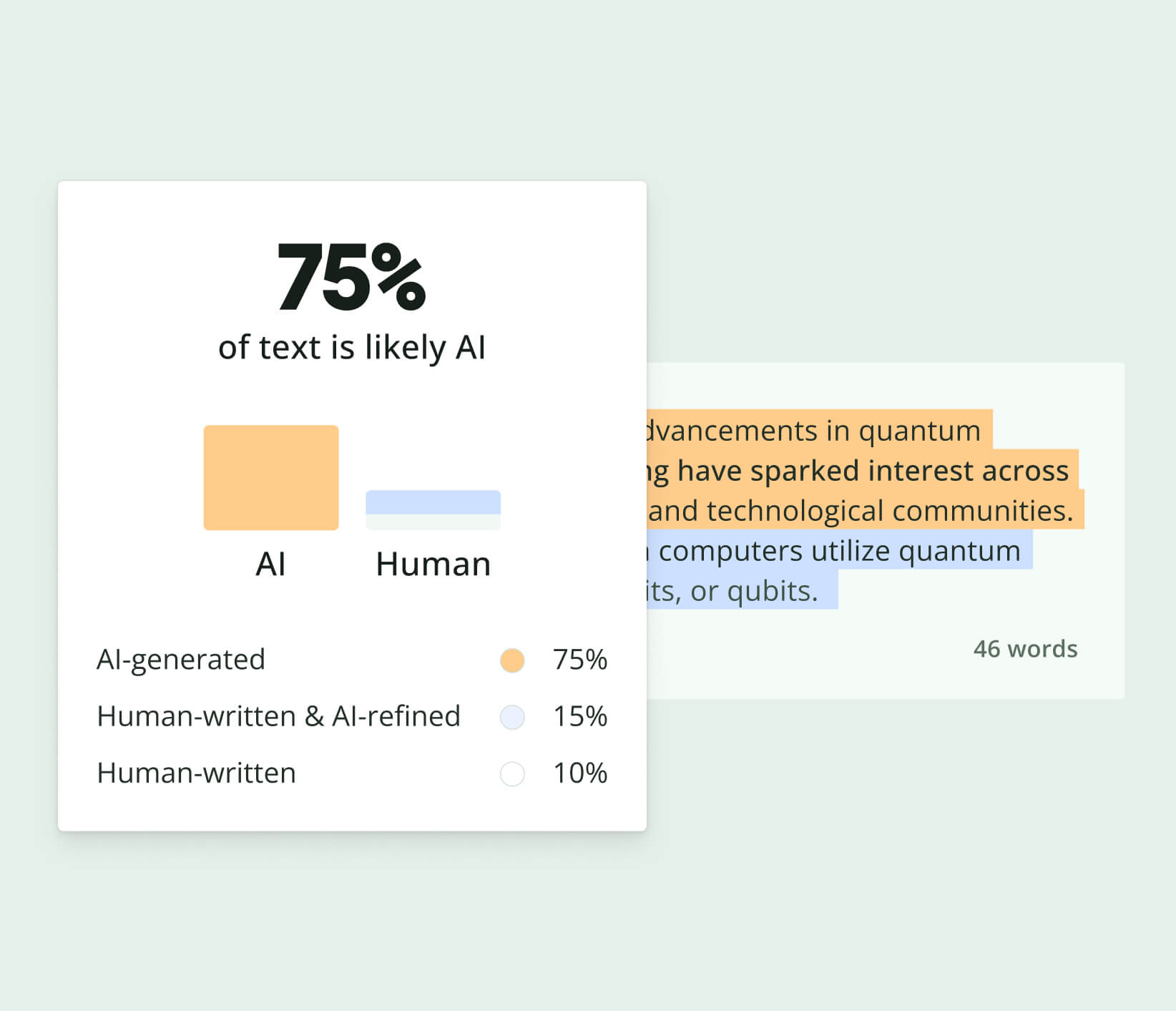
Work smarter with Quillbot’s AI Detector. Quickly assess whether text appears
AI-generated or human-written before publishing or submitting your content.
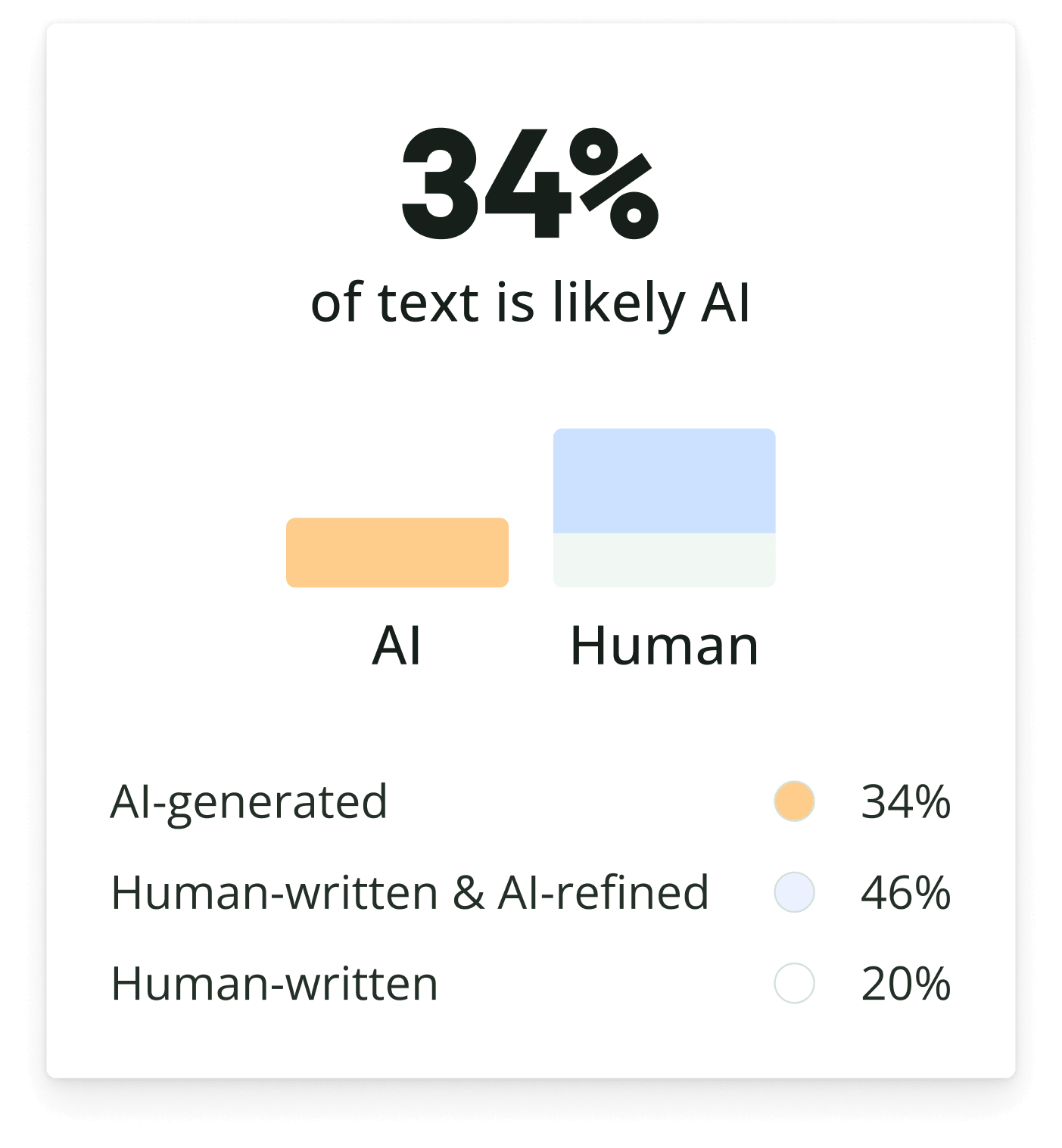
Work smarter with Quillbot’s AI Detector. Quickly assess whether text appears
AI-generated or human-written before publishing or submitting your content.