Flower names for girls are a beautiful way to connect a name with nature. From classic choices like “Rose” and “Lily” to contemporary picks like “Dahlia” and “Poppy,” there are floral names to suit a wide range of styles.
This article explores flower names for girls with their origins, meanings, and floral associations. You’ll also find names that mean “flower” in different languages, and botanical names inspired by trees, herbs, and other plants.
Flower names for girls range from timeless classics like Rose, Daisy, and Violet to contemporary choices like Poppy, Dahlia, and Magnolia.
Unique floral names such as Zinnia, Amaryllis, Celosia, and Verbena offer more distinctive alternatives, while names like Clover and Ivy provide a nature-inspired feel.
Explore names by meaning and origin, including names derived from “Rose,” names that literally mean “flower” in different languages, and botanical names inspired by trees, herbs, and other plants.
Choose a flower name that fits your needs by considering its pronunciation, spelling, meaning, association, full-name flow, and potential nicknames.
YouTube thumbnail examples give you a sense of how you can create thumbnails for your own channel. Since YouTube thumbnails are the first thing a viewer sees when they come across your video, it’s important you know how to make a great first impression.
This guide includes 10 YouTube thumbnail examples, as well as analysis about what makes each of them good. You’ll also learn how to create thumbnails that capture your audience’s attention and meet YouTube’s technical requirements by using Quillbot’s YouTube Thumbnail Templates. These pre-made, customizable designs allow you to create eye-catching thumbnails for your own videos without starting from scratch.
Key takeaways
Learn what makes a YouTube thumbnail effective with 10 examples that use strategies like bold visuals, curiosity, emotion, transformations, and problem-solution framing.
Create thumbnails that get noticed by prioritizing visual hierarchy, short readable text, contrast, and a clear focal point without misleading viewers.
Build a consistent thumbnail style that supports your channel’s brand while making each video visually distinct and easy to recognize.
Follow a simple creation process from identifying your video’s hook to choosing a style, customizing a template, testing it at a small size, and meeting YouTube’s technical requirements.
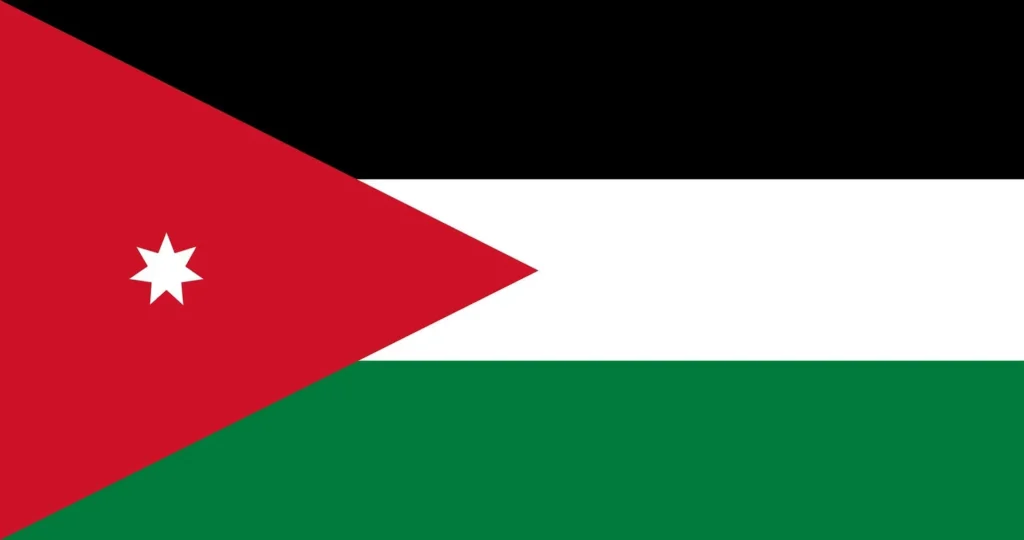
The flag of Jordan shows horizontal stripes of black, white, and green connected by a red chevron, which bears a seven-pointed white star. The Jordanianflag was officially adopted on April 16, 1928.
In this article, learn about the appearance, symbolism, and history of the Jordanflag, plus some fun facts about the flag and the country. Want to learn even more about the Jordanianflag? Ask Quillbot’s AI Chat.
Key takeaways
The flag of Jordan was officially adopted on April 16, 1928 and features three horizontal black, white, and green stripes with a red chevron and a seven-pointed white star inspired by the Arab Revolt.
Every color and symbol has meaning. The stripes represent historic Islamic caliphates, the red chevron symbolizes the Hashemite dynasty and the Arab Revolt, and the seven-pointed star represents Arab unity and the seven verses of Al-Fātiḥah, the opening chapter of the Quran.
Learn how the flag evolved from the 1916 Arab Revolt flag and how it compares with the similar-looking flag of Palestine.
Explore quick facts and trivia about Jordan’s flag, its unique design, and fascinating facts about the country’s history, landmarks, and culture.
Brand storytelling uses narrative techniques to create an emotional connection between a brand and its audience. It’s one of the parts of branding strategy that focuses less on the products and services a brand offers and more on the way the brand wants to be seen.
In this guide, you’ll learn what brand storytelling is, why it’s important, its core elements, and how to put one together. Need help crafting your own brand story? Quillbot’s AI Chat can assist you in brainstorming ideas, sequencing information, and finding exactly the right words to make your story resonate with your target audience.
Key takeaways
Brand storytelling uses narrative to communicate your brand’s purpose, values, and identity, creating emotional connections that make your business more memorable than product features alone.
The most effective brand stories position the customer as the hero, your brand as the guide, and show how customers transform after overcoming a meaningful challenge.
A strong brand story builds trust, differentiates your business in a crowded market, and should remain authentic and consistent across every customer touchpoint.
This guide explains the core elements of brand storytelling, walks through a step-by-step process for creating your own narrative, and includes story types and real-world examples from successful brands.
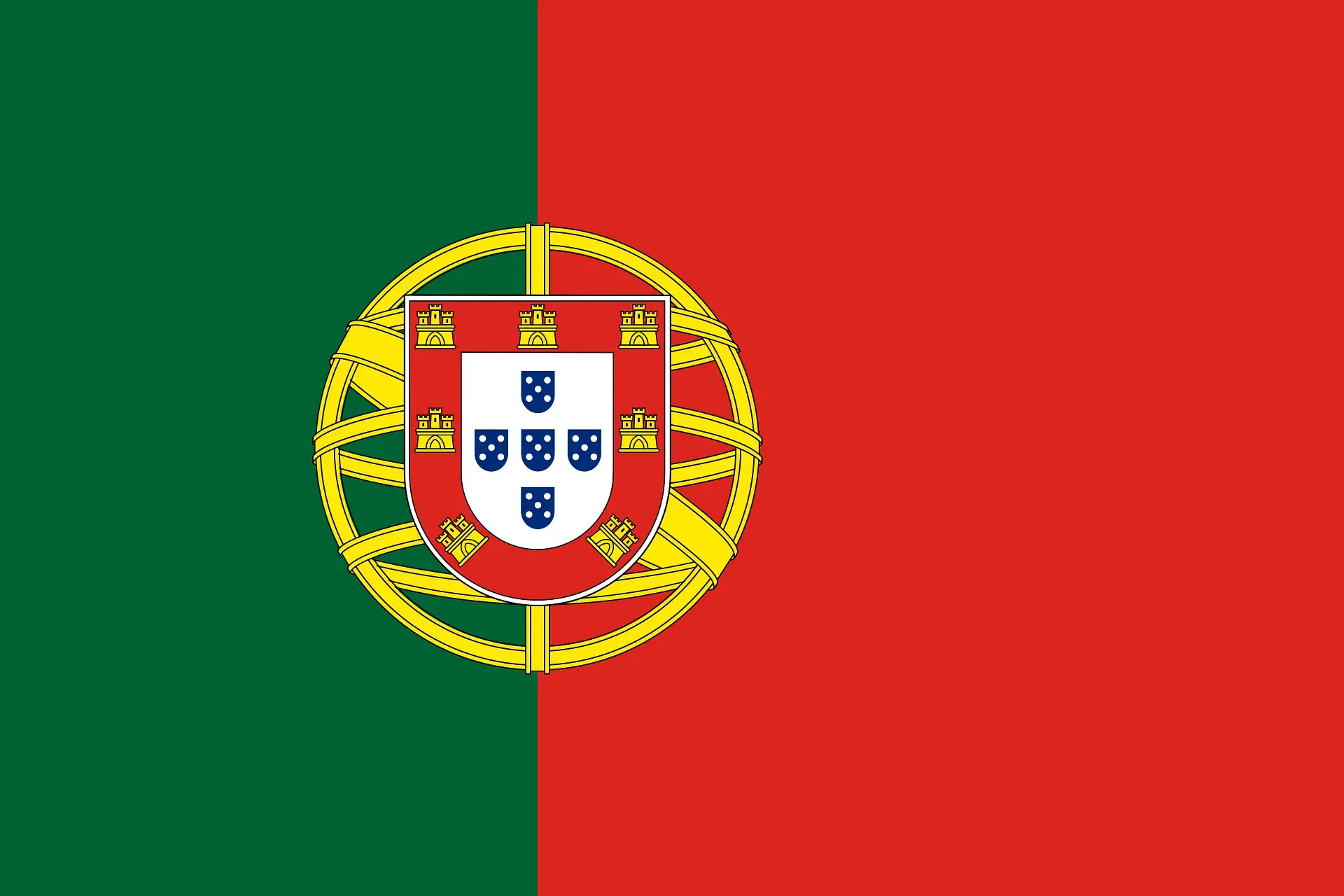
The flag of Portugal is green and red with the Portuguese coat of arms positioned where the two colors meet. It was first presented on December 1, 1910, after the revolution that led to the formation of the First Portuguese Republic, and was officially adopted on June 30, 1911.
In this guide, you’ll learn about the Portuguese flag’s appearance, colors, meaning, symbolism, history, and official adoption, along with interesting facts about Portugal. And if you want to learn even more about Portugal or its flag, ask Quillbot’s AI Chat.
Key takeaways
The flag of Portugal is a rectangular green-and-red bicolor with the Portuguese coat of arms centered where the two colors meet. It has represented Portugal since 1911, following the establishment of the First Portuguese Republic.
Every element of the flag has meaning, from the green and red fields to the coat of arms and armillary sphere, reflecting Portugal’s history, maritime achievements, and national identity.
Discover how the Portuguese flag evolved over more than 800 years, from medieval royal symbols to the modern design adopted after the 1910 revolution.
Explore fascinating facts about Portugal and its flag, including its unique design, global influence, and remarkable historical firsts.
Personal branding affects how others perceive you, whether you’re applying for jobs, growing a business, or building an online presence. It affects your professional reputation for better or worse, but when done right, helps you earn trust, attract new opportunities, and build meaningful professional relationships.
Personal branding isn’t about creating a fake persona or becoming an influencer. Instead, it’s similar to how companies use corporate branding to shape perception: an intentional process of communicating your skills, values, and strengths across your online profiles, content, and interactions with your audience.
This guide explains what personal branding is, why it matters, and how to develop a personal brand that authentically reflects who you are and what you have to offer. Quillbot’s AI Chat can assist you at each step of the process of creating your personal brand.
Key takeaways
Personal branding is strategic, not fake. It’s the intentional process of aligning your authentic strengths, values, and story to shape how the professional world perceives you, which goes far beyond basic self-promotion.
A strong brand is driven by core elements. It relies on a clear identity, a defined unique value proposition, consistent messaging, and authentic narrative to build long-term trust and credibility.
Personal branding is built on a step-by-step foundation. Success starts by defining your purpose and audience, auditing your presence, positioning your unique strengths, and actively optimizing your home bases (like LinkedIn and personal websites).
Your personal brand is an evolving career asset. Owning your platforms through regular content and active networking creates incoming opportunities for jobs, clients, and authority. Your personal brand should grow right alongside your career.
5-letter words that start with DE can help you improve at word games and expand your vocabulary. Some common options are “decor,” “delay,” and “demon,” while more advanced words include “debar,” “denar,” and “demur.”
This article includes a list of 42 5-letter words starting with DE, plus ideas for Scrabble and Words With Friends (WWF) and Wordle tips. If you’re here to broaden your vocabulary, you can also find a section about advanced 5-letter words that start with DE and their meanings.
If you’d like a more focused list of 5-letter words that start with DE (e.g., 5-letter nature words starting with DE), ask Quillbot’s AI Chat.
Key takeaways
Discover 42 valid 5-letter words that start with DE, all of which can be used in Scrabble, Words With Friends, and as Wordle guesses, from common words like “delay” and “decor” to less familiar options like “demur” and “denar.”
Improve your word game strategy with recommended DE starting words for Wordle and a list of the highest-scoring options for Scrabble and Words With Friends.
Find words faster with a handy table that organizes every DE word by its ending letter, making it easier to solve game-specific letter patterns.
Expand your vocabulary by learning the meanings and examples of advanced DE words you may not encounter in everyday English.
Girl names that start with A are consistently popular, with names like Amelia, Ava, and Abigail, ranking among the top trending names for girls this decade. The letter A has many positive connotations: it’s the first letter of the alphabet, it’s visually appealing and easily recognizable, and it usually adds a beautiful, airy sound to speech.
Due to this, there are a wealth of girl names that start with A. This guide includes 100+ of them, along with their meanings and origins. Discover names of all types, organized by categories like “popular,” “unique,” and “nature-inspired.” Or, browse an alphabetical list of names to quickly find favorites.
To find even more girl names that start with A, ask Quillbot’s AI Chat. You can also ask for specific lists based on style or origin, like “French names for girls that start with A.”
Key takeaways
Discover 100+ girl names that start with A, from popular favorites like Amelia and Ava to unique, biblical, and nature-inspired options.
Explore each name’s meaning and origin to find one that reflects your personal style, culture, or values.
Browse names by category or use the complete alphabetical list to quickly compare your favorites.
Get practical tips for choosing the right name, including pronunciation, spelling, nicknames, initials, and cultural significance.
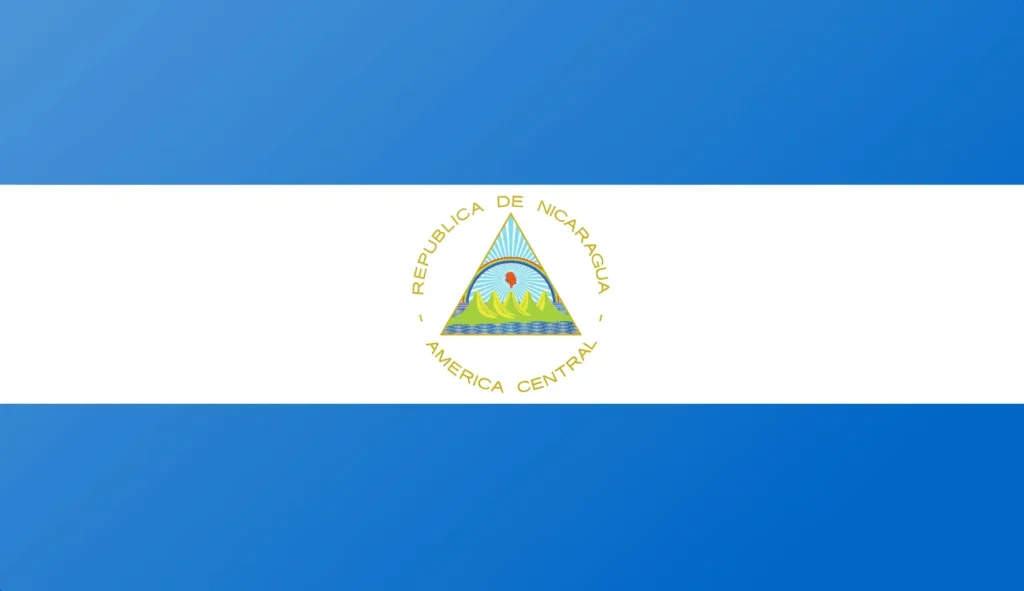
The flag of Nicaragua consists of two blue stripes, one white stripe, and a national coat of arms with text that says “Republica de Nicaragua, America Central.” It was first adopted in 1908 but wasn’t made official until 1971. It’s similar to the flags of several other Central American countries, particularly El Salvador.
To learn more about Nicaragua’s flag or another world flag, ask Quillbot’s AI Chat. You can also ask AI Chat for lists or types of flags, such as “flags of the world that include a coat of arms.”
Key takeaways
The flag of Nicaragua features two blue stripes, a white stripe, and a detailed coat of arms that symbolizes the country’s geography, history, and values, including peace, liberty, and justice.
Its modern design dates to 1908 and was officially standardized in 1971, but its roots trace back to the blue-white-blue flag of the former Federal Republic of Central America.
Nicaragua’s flag closely resembles those of other Central American countries, especially El Salvador, because they share a common historical origin, though each has distinct symbols and proportions.
The flag also stands out for its unique features, including the only sovereign-state flag with a literal rainbow and one of the few national flags to include the color purple.
Email marketing best practices are useful knowledge for anyone in marketing or business, as email continues to be a profitable digital channel that gives you direct access to your audience without interference from algorithms.
Email marketing can help you drive sales, boost traffic, nurture leads, and build customer loyalty, but only if your emails reach your subscribers’ inboxes, encourage them to open your messages, and persuade them to take action. These 35email marketing best practices lay out how to do just that.
To complement these best practices, Quillbot’s Email Templates make it easy to create polished and professional emails without starting from scratch.
Key takeaways
Build a high-quality email list from the start. Grow your audience organically, always get permission before emailing, and maintain a clean subscriber list to improve engagement and deliverability.
Send relevant, personalized emails. Segment your audience, tailor your messaging, and focus on providing value so every email feels useful—not generic.
Optimize every part of your email. Strong subject lines, mobile-friendly design, clear CTAs, and authenticated domains all work together to increase opens, clicks, and conversions.
Measure, test, and improve continuously. Track key email marketing metrics, run A/B tests, and use analytics and AI to refine your campaigns over time.
Download our FREE All-in-One Content Workflow Guide to learn how to create, refine, and repurpose content more efficiently with Quillbot. Packed with actionable tips and real-world workflows.